What Not to Feed Your Dog
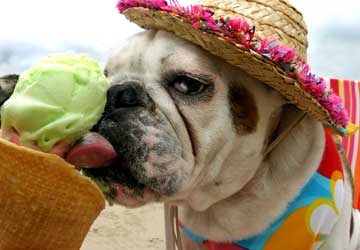
We've all been there — those pleading eyes, that slightly open mouth, the way they rest their chin on your knee while you're eating. It's almost impossible to resist slipping your dog a little something from your plate. But some of the foods we enjoy every day can be genuinely dangerous — even fatal — to dogs. We've seen the consequences at the kennels over the years, so please take this list seriously. It could save your dog's life.
Chocolate
This is the one most people know about, but it's worth understanding why. Chocolate contains theobromine, a stimulant that dogs' bodies process very slowly. The darker the chocolate, the more dangerous it is — cooking chocolate is the worst, followed by dark, then milk, then white. Symptoms include vomiting, diarrhoea, tremors, an irregular heartbeat, and in severe cases, seizures and death. Even a small amount of dark chocolate can be serious for a small dog.
Grapes, Raisins, and Sultanas
These seem harmless but can cause acute kidney failure in dogs — and it can happen from a surprisingly small amount. Early signs include vomiting, excessive thirst, and lethargy. If your dog has eaten grapes or raisins, don't wait for symptoms — call your vet immediately. We've seen dogs become seriously ill from eating just a handful of raisins dropped from a fruit cake.
Onions and Garlic
Both contain compounds called thiosulphates, which can destroy a dog's red blood cells and cause haemolytic anaemia. This includes raw, cooked, dried, and powdered forms — so be careful with things like gravy, stock cubes, and leftover roast dinners. Symptoms develop over a few days and include weakness, breathlessness, and dark-coloured urine.
Xylitol (Artificial Sweetener)
Found in sugar-free gum, some peanut butters, diet foods, and certain dental products, xylitol causes a rapid and dangerous drop in a dog's blood sugar levels, and can lead to liver failure. Symptoms appear within 30 minutes and include vomiting, weakness, collapse, and seizures. Always check labels — especially on peanut butter, which many dog owners use as treats.
Fat Trimmings and Cooked Bones
Fatty offcuts — especially from pork, lamb, and turkey skin — can trigger pancreatitis, an extremely painful and potentially life-threatening inflammation of the pancreas. Vets see a spike in pancreatitis cases every Christmas. Cooked bones are dangerous too — they splinter and can puncture your dog's digestive tract or cause blockages that require emergency surgery.
Avocado
Avocados contain persin, which is toxic to many animals including dogs. It can cause vomiting, diarrhoea, and abdominal pain. The large pit is also a serious choking hazard and could cause a dangerous intestinal blockage if swallowed.
Macadamia Nuts
These can cause weakness, depression, vomiting, tremors, and raised body temperature in dogs — usually within 12 hours of ingestion. While rarely fatal, they can make your dog very unwell.
Coffee, Tea, and Caffeine
Caffeine stimulates a dog's central nervous system and heart. Symptoms include a racing heart, restlessness, muscle tremors, vomiting, and in severe cases, collapse. Dogs are much more sensitive to caffeine than humans — even a small amount can be dangerous.
Alcohol
Dogs' livers simply cannot process alcohol. Even tiny amounts can cause vomiting, disorientation, dangerously low body temperature, coma, and death. Never leave alcoholic drinks where your dog can reach them.
Milk and Dairy Products
Up to half of all dogs are lactose intolerant. While it won't usually be life-threatening, it can cause severe diarrhoea and stomach cramps. Many dogs love cheese, so if yours tolerates it, a tiny piece as an occasional treat is fine — but watch for signs of upset.
Green Potatoes and Tomato Leaves
The green parts of potatoes and the leaves and stems of tomato plants contain solanine, which can cause vomiting, diarrhoea, lethargy, and in severe cases, neurological problems. Keep dogs away from vegetable patches where these grow.
If you think your dog may have eaten something dangerous, call your vet straight away — don't wait for symptoms to appear. Quick action can make all the difference.