Helping Your Cat Settle Into a Cattery
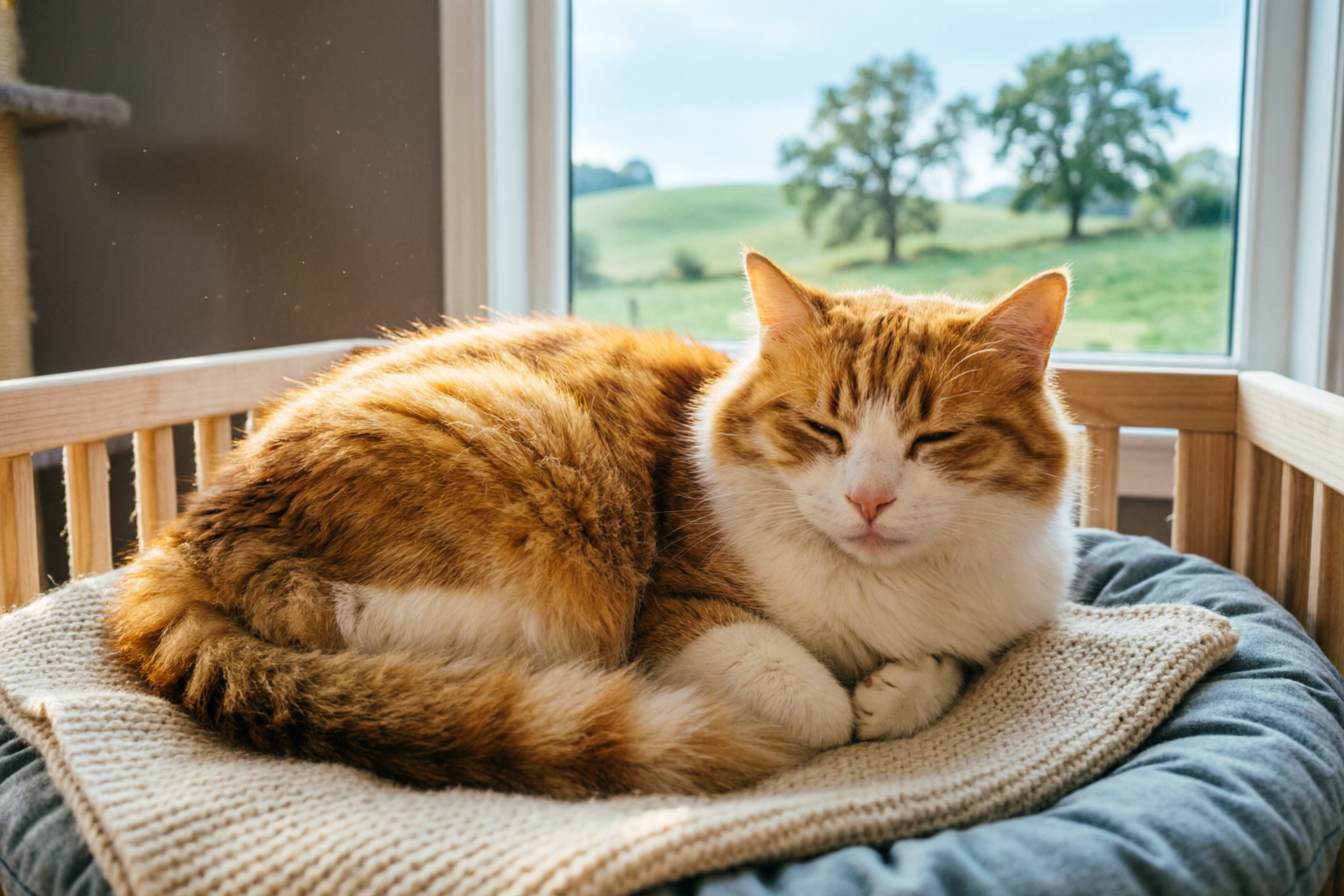
Cats are creatures of habit, and most are deeply attached to their home territory. So it's natural to worry about how they'll cope in a cattery. The good news is that cats are remarkably adaptable — especially when their environment is well-designed and their routine is respected. Here's how to help your cat settle in smoothly.
1. Choose the Right Cattery
Not all catteries are equal. Look for one that offers individual pens with plenty of vertical space (cats love to climb), a private sleeping area, and an attached outdoor run. At Greenbank's Cat's Cottage, each pen has its own heated indoor section and an outdoor run with views over the Lancashire countryside — giving cats the choice between cosiness and fresh air.
2. Bring Familiar Items
Scent is a cat's primary comfort mechanism. Bring their own bedding — ideally a blanket or cushion they regularly sleep on. A worn T-shirt that smells of you can also be hugely reassuring. Avoid washing these items just before the stay; the familiar scent is what matters. A couple of favourite small toys can help too, though cats often ignore toys while boarding and focus on settling in.
3. Stick to Their Usual Diet
Changes in food are a common cause of stress-related diarrhoea and loss of appetite in cats. Bring your cat's usual food, clearly labelled. Most good catteries will happily feed what you provide. If your cat is on a special diet or has food allergies, make sure the cattery is informed in advance.
4. Keep Drop-Off Calm and Quick
As with dogs, a calm, confident departure helps cats settle faster. Chat to the cattery owner, show your cat around the pen, and then let them adjust at their own pace. Lingering or showing anxiety can make cats more unsettled. Trust the process — most cats will be curled up and relaxed within a few hours.
5. Use Feliway or Similar Products
Feliway is a synthetic copy of the feline facial pheromone, which cats naturally use to mark their territory as safe. A Feliway diffuser in the cattery pen can help reduce stress. Some catteries, including Greenbank, are happy for you to bring a Feliway spray or diffuser to use during the stay.
6. Tell the Staff Everything
Every cat is unique. Let the cattery know about their temperament, preferences, and any quirks. Are they shy? Do they prefer to be left alone? Do they have a favourite hiding spot? The more information the staff have, the better they can make your cat feel at home.
7. Ensure Vaccinations Are Current
All licensed catteries require cats to be vaccinated against cat flu (feline herpesvirus and calicivirus) and feline panleucopenia. These boosters should be up to date and given at least two weeks before boarding. Bring your vaccination certificate.
What to Expect
It's completely normal for cats to hide, refuse food initially, or seem withdrawn for the first 24 hours. This doesn't mean they're unhappy — they're simply adjusting. Most cats are eating, exploring their outdoor run, and enjoying the attention within a day or two. Our regular cattery guests often come in, find their favourite spot, and act like they own the place — because in a way, they do.
At Greenbank, we've been caring for cats in our purpose-built cattery for over 15 years. Many of our feline guests return year after year, and their owners tell us their cats seem genuinely content during their stay. Get in touch if you'd like to visit and see our cattery for yourself.